Discount on GPAC Software Integrated Solutions 20% Off
December 23, 2024
Top Accounting and Inventory Software in Bangladesh
November 18, 2025

Top Cloud-Based ERP Solutions for SMEs in Bangladesh

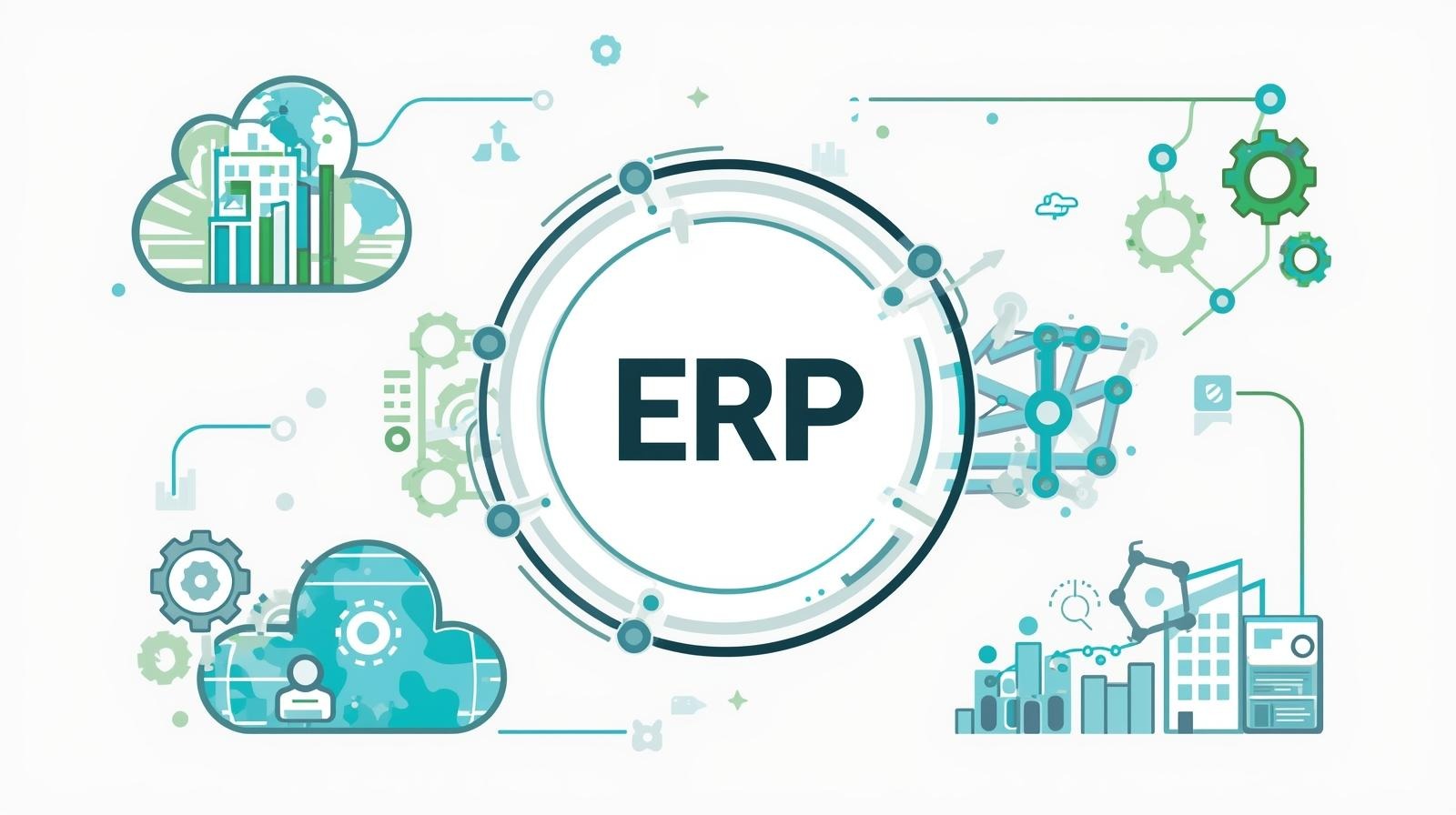
The Rise of Cloud ERP in Bangladesh

How cloud ERP is reshaping operations across industries — garments, manufacturing, finance and retail.

Bangladesh is experiencing a rapid wave of digital transformation. From garments and manufacturing to finance and retail, enterprises are shifting from manual processes to cloud-based ERP software — a step that redefines how businesses manage data, operations, and customers.

A decade ago, most Bangladeshi businesses relied on local desktop software. But as operations expanded and remote teams became common, traditional systems couldn’t keep up. That’s where Cloud ERP (Enterprise Resource Planning) comes in — connecting every part of a business under one secure, cloud-hosted system that works from anywhere.

In 2025, investing in a cloud-based ERP solution is no longer a luxury; it’s a strategic necessity for enterprises that want efficiency, control, and scalability.
What Is Cloud-Based ERP?

Cloud ERP is a business management system hosted on remote servers instead of on-premise hardware. You can access it through a browser or mobile app, allowing your entire organization to collaborate in real time.

Unlike traditional ERP, cloud ERP offers:

  • Remote accessibility from any device, enabling teams to work efficiently from anywhere without dependency on local installations or office-based networks.
  • Strong data security and automatic backup, ensuring your sensitive business information remains protected with regular encrypted backups and multi-layer security protocols.
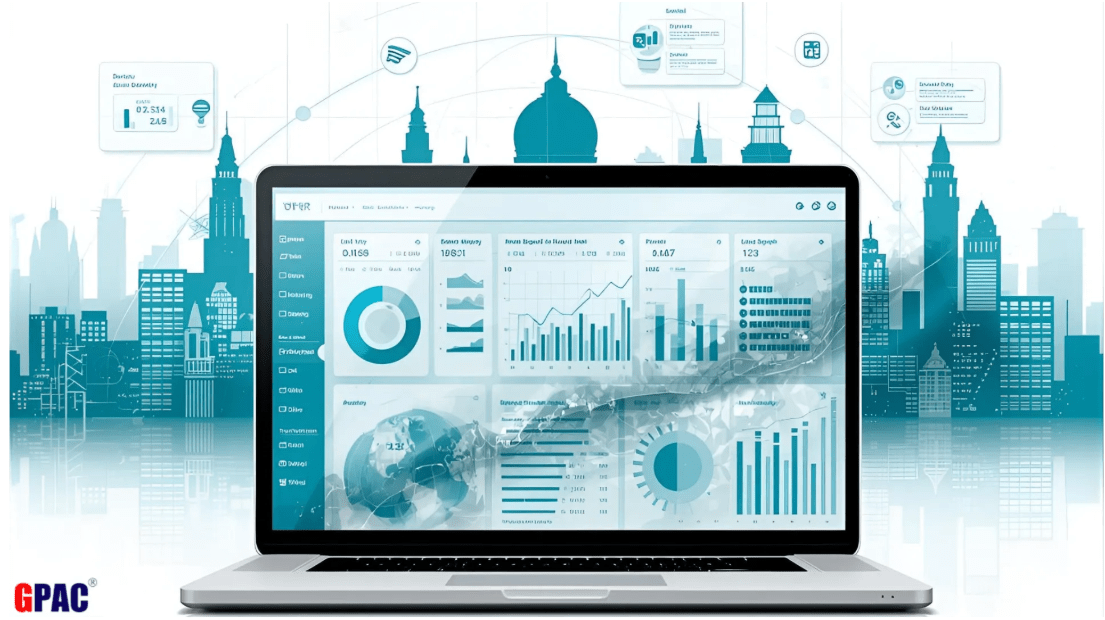
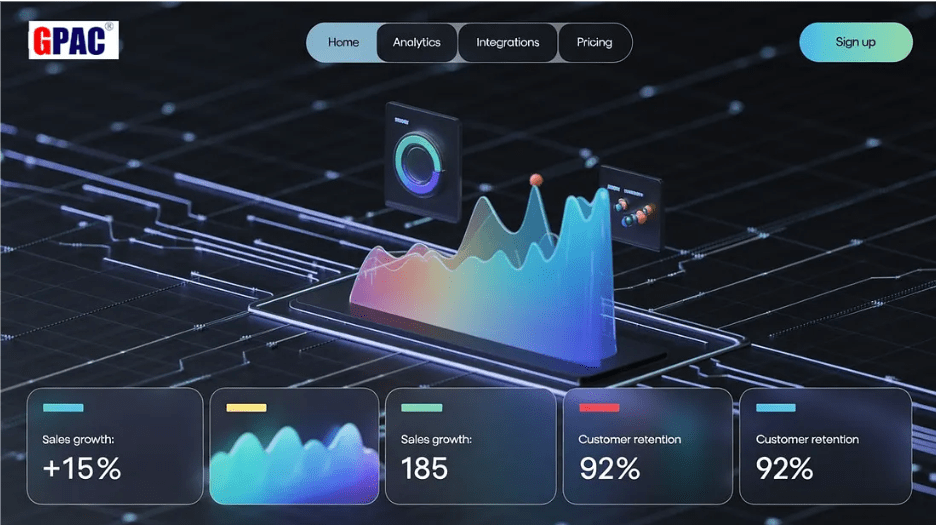
  • Real-time updates and performance monitoring, allowing you to track operational data, business performance, and financial status instantly through interactive dashboards.
  • Lower IT and maintenance cost, as the need for expensive hardware, manual updates, and on-site maintenance is significantly reduced.
  • Automatic software upgrades, so your system always runs the latest version with improved features and security patches, without interrupting daily operations.

Cloud ERP connects key business modules like Accounting, HR, CRM, Inventory, Payroll, and Sales — all integrated into a unified dashboard for smarter, faster, and more informed decision-making.

Why Bangladeshi Enterprises Are Moving to Cloud ERP?

Bangladeshi enterprises today face several operational challenges: managing distributed teams, handling multiple branches, maintaining data consistency, and ensuring compliance. Cloud ERP solves these problems efficiently.

Key Advantages of Cloud ERP Systems:

  1. Cost Efficiency: Cloud ERP eliminates the need for heavy IT investment. There’s no need to buy servers or hire a large IT team — everything is managed online by your provider.
  2. Scalability: As your business grows, new users, modules, or features can be added instantly without technical downtime.
  3. Real-Time Visibility: You can view reports, track expenses, and monitor stock anytime from anywhere — even from your phone.
  4. Data Security & Backup: Most cloud ERP platforms, including GPAC ERP, use encrypted data protection and automatic daily backups to ensure maximum safety.
  5. Business Continuity: Even if your local system fails or your office is offline, cloud ERP ensures your business keeps running 24/7.
  6. Local & Global Access: Perfect for enterprises with multiple branches or field teams across Bangladesh and abroad.
Top Cloud-Based ERP Solutions in Bangladesh

Top Cloud-Based ERP Solutions in Bangladesh

Let’s explore the leading ERP systems that are transforming how Bangladeshi enterprises operate. As industries digitalize, cloud ERP platforms are becoming the backbone of business efficiency and innovation. From small cooperatives to large manufacturing firms, companies are adopting cloud ERP to manage accounting, HR, inventory, and customer operations — all from a single platform.

This shift is helping Bangladeshi businesses become more competitive, data-driven, and ready for global growth.

GPAC ERP – Cloud ERP Built for Bangladeshi Businesses

Developed by GNISBD, GPAC ERP is one of the most complete and reliable ERP solutions tailored for the Bangladeshi market. It’s fully cloud-based, multilingual (Bangla & English), and designed for SMEs, cooperatives, manufacturing firms, and financial organizations.

Key Features:

  • Accounting & Inventory Management
  • HRM & Payroll Automation
  • CRM and Customer Support Tracking
  • Microcredit and Cooperative Modules
  • POS, VAT, and Financial Reports
  • Real-time dashboards and analytics

Why Choose GPAC ERP:

  • Designed specifically for Bangladeshi business structures
  • Affordable monthly pricing
  • Secure cloud hosting and continuous updates
  • Local training and customer support team
  • Scalable across industries

Perfect for: SMEs, microfinance institutions, retail chains, and cooperatives.

Learn more: https://gpacsoftware.com

SAP Business One Cloud

A global ERP platform used by large enterprises with complex operations. It offers comprehensive financial, production, and analytics tools.

Pros: Robust, secure, and internationally trusted

Cons: High cost, complex implementation, and limited local support

Oracle NetSuite ERP

NetSuite is one of the pioneers of cloud-based ERP systems globally. It provides advanced business management for large corporations.

Pros: Comprehensive modules, multi-country support, strong analytics

Cons: Expensive, not tailored for local SMEs, high customization cost

TallyPrime with Cloud Hosting

A familiar choice for small businesses in Bangladesh. Though originally offline, it can now be hosted on the cloud for remote access.

Pros: Easy to use, ideal for accounting

Cons: Lacks full ERP functionality for enterprise-level automation

These cloud ERP options provide businesses with flexibility, remote accessibility, and better control over operations, helping organizations scale efficiently while keeping data centralized and secure.

Industries Benefiting from Cloud ERP

Industries Benefiting Most from Cloud ERP

Cloud ERP systems like GPAC ERP are transforming multiple industries in Bangladesh, including:

  • Garments & Manufacturing: for order tracking and production management
  • Microfinance & Cooperative Societies: for loan, savings, and member data management
  • Retail & Wholesale: for inventory, billing, and multi-branch control
  • Real Estate: for property sales, projects, and client management
  • Service & Marketing Companies: for CRM, HR, and performance tracking

With digital Bangladesh in full swing, these industries are now seeing faster growth, reduced paperwork, and improved decision-making through automation.

Cloud ERP vs Traditional ERP

Cloud ERP vs Traditional ERP

Understanding the key differences between traditional ERP systems and modern cloud-based ERP helps businesses choose the best solution for their needs. Below is a detailed comparison highlighting important features and capabilities.

Feature Comparison

Feature Traditional ERP Modern Cloud ERP
Deployment Installed on local, company-owned servers Fully cloud-hosted; deploys within hours with no on-premise setup
Accessibility Restricted to office network or VPN Secure, device-agnostic access from any location (web & mobile)
Maintenance & Updates Manual upgrades requiring IT intervention Continuous, automatic updates with zero service interruption
Cost Model High upfront licensing, hardware, and maintenance costs Subscription-based SaaS model with predictable monthly/annual billing
Scalability Scaling requires hardware upgrades and long lead times Instantly scalable — expand users, modules, or storage on demand
Security Relies on internal IT policies and local infrastructure Enterprise-grade security with continuous compliance monitoring
Customization Requires specialized developers and long implementation cycles Low-code/no-code customization enabling rapid configuration and agility
Integration Capabilities Difficult to integrate with modern tools and APIs Native API connectivity with CRM, E-commerce, HRM, BI, and payment platforms
Data Backup & Recovery Manual or periodic backup routines Real-time automated backups with multi-zone geo-redundancy
Performance Monitoring Reactive issue resolution Real-time monitoring dashboards with proactive alerts and analytics

The Future of ERP in Bangladesh

With the government’s strong focus on Smart Bangladesh 2041, ERP adoption will continue to accelerate. Future ERP systems will integrate with AI, IoT, and predictive analytics, allowing companies to forecast sales, automate inventory control, and optimize HR functions.

  • AI & Predictive Analytics: Helps businesses forecast sales and anticipate market changes.
  • IoT Integration: Connects real-time device data for smarter operations.
  • Automation: Streamlines repetitive workflows for efficiency.
  • Data-Driven Decision Making: Empowers enterprises with accurate analytics and insights.
  • Localization: Future ERP will better align with Bangladeshi business regulations and needs.

As more companies adopt cloud ERP, data-driven decision-making will become a core part of every successful enterprise in Bangladesh.

Conclusion

Conclusion

In a competitive business world, efficiency defines success.

Cloud-based ERP systems give Bangladeshi enterprises the power to manage everything — accounting, HR, sales, customer support, and inventory — in one centralized digital platform.

Among the available solutions, GPAC ERP by GNISBD stands out as the most practical, secure, and locally adapted ERP for businesses in Bangladesh. It combines international-grade technology with local insight — delivering real results, faster growth, and full control.

If your organization wants to move beyond manual systems and experience real-time automation.

Frequently Asked Questions (FAQ)

  1. What is the difference between cloud ERP and on-premise ERP?

    Cloud ERP runs on secure remote servers and can be accessed online, while on-premise ERP requires physical servers and manual updates within your office.

  2. Is cloud ERP secure for Bangladeshi enterprises?

    Yes. Reliable providers like GPAC ERP use encrypted data storage, firewalls, and automatic backups to ensure your business data remains fully secure.

  3. Can small businesses use cloud ERP?

    Absolutely. GPAC ERP offers affordable, scalable modules suitable for small and medium businesses in Bangladesh.

  4. What industries benefit most from cloud ERP?

    Industries such as garments, microfinance, retail, real estate, and manufacturing see the highest benefits due to their data-heavy operations.

  5. How much does a cloud ERP system cost in Bangladesh?

    Costs vary by provider and features, but local solutions like GPAC ERP offer subscription-based pricing, starting much lower than international systems.

  6. Does GNISBD provide training and support?

    Yes. GNISBD provides full implementation, user training, and ongoing technical support to ensure your ERP system runs smoothly.

  7. Can cloud ERP integrate with other business software?

    Yes. GPAC ERP supports integration with accounting tools, POS systems, HR software, and other third-party applications.

  8. How long does it take to implement cloud ERP?

    Implementation time depends on company size and modules chosen, but GPAC ERP offers a streamlined process that minimizes downtime.

  9. Does cloud ERP support mobile access?

    Yes. GPAC ERP can be accessed via smartphones and tablets, allowing managers and staff to work remotely and stay updated in real-time.

  10. What kind of analytics and reporting does cloud ERP provide?

    GPAC ERP provides real-time dashboards, financial reports, inventory insights, and performance metrics to aid data-driven decision-making.

Leave a Reply

Your email address will not be published. Required fields are marked *